Bad Breathalyser Test: Causes, False Readings and How to Avoid Them
A faulty reading from a breathalyser can wreck your life — from losing your driving licence to criminal charges. This guide covers why breath alcohol tests go wrong, what causes false positives, and how to protect yourself with reliable testing equipment.
What Makes a Bad Breathalyser Test?
A bad breathalyser test is any breath alcohol reading that doesn't accurately reflect your actual blood alcohol concentration (BAC). Simple as that. These inaccurate results can swing both ways — showing you're over the limit when you're not, or worse, telling you you're fine to drive when you absolutely aren't.
Let's be straight about it: plenty of UK drivers get caught out by dodgy readings from cheap semiconductor devices bought off marketplace sites. Someone blows what looks like a clear reading on a £9.99 unit, drives to work the morning after a few pints, and gets pulled over — where the police breathalyser tells a very different story. If you have ever thought "I feel fine, so I must be under", a bad reading is exactly how that confidence goes wrong.
According to GOV.UK guidance on drink driving, around 6,000 people are convicted of drink driving offences annually in England and Wales. Some of those convictions start with someone trusting a faulty personal breathalyser. And some people who should've been caught weren't — because their device gave a falsely low reading.
Common Causes of a Bad Breathalyser Test Result
False readings don't just happen randomly. There are specific, well-documented reasons why a breathalyser test goes wrong.
Residual Mouth Alcohol
This is the big one. If you've used mouthwash, taken cough medicine, or even burped within 15-20 minutes of testing, residual alcohol vapour in your mouth will massively inflate the reading. We're talking readings 2-3 times higher than your actual BAC. The NHS notes that many common medications contain alcohol — some cough syrups have up to 10% ethanol content.
Temperature and Environmental Factors
Breathalysers are calibrated to work at specific temperatures. Most are set for around 34°C breath temperature. If you've just had a hot drink, been exercising, or you're running a fever, your breath temperature rises. For every 1°C above the calibration point, readings can increase by approximately 6-8%.
Device Calibration Drift
Every breathalyser loses accuracy over time, and cheap ones drift faster. Even good units need recalibration roughly every 6-12 months or after a few hundred tests. A device that was accurate out of the box can start reading noticeably high once the sensor drifts, which is one of the most common reasons a reading goes bad. For the detail, see our breathalyser calibration guide.
Sensor Degradation
Semiconductor sensors — the type in most budget breathalysers — degrade when exposed to cigarette smoke, perfume, petrol fumes, and even strong food odours. They can't distinguish ethanol from other volatile organic compounds. That's a proper problem if you're a smoker or work around chemicals.
User Error
Not blowing hard enough. Blowing too short. Not waiting long enough after drinking. These all produce unreliable results. Most quality devices need a continuous blow of 4-5 seconds at moderate pressure to get an accurate sample.
Sensor Technology: Electrochemical vs Semiconductor
The sensor inside your breathalyser is the single biggest factor determining whether you'll get accurate results or a bad breathalyser test reading. There are two main types, and the difference is massive.
| Feature | Semiconductor Sensor | Electrochemical Sensor |
|---|---|---|
| Accuracy | ±0.20‰ BAC (poor) | ±0.05‰ BAC (police-grade) |
| Lifespan | 6-12 months before significant drift | 2-3 years with proper care |
| False positive rate | High — reacts to many substances | Very low — specific to ethanol |
| Calibration frequency | Every 3-6 months | Every 6-12 months |
| Typical price range | £5-£15 | £20-£60 |
| Used by UK police? | No | Yes |
| Affected by cigarette smoke? | Yes — causes false readings | Minimal interference |
Cheaper semiconductor alternatives simply don't cut it for a decision this important. The electrochemical (fuel-cell) sensor used in professional-grade devices is the same sensor class UK police forces rely on for roadside screening. That isn't marketing fluff — it is a fundamental difference in how the chemistry measures alcohol, and it is why semiconductor units are far more prone to false readings.
Electrochemical sensors use a fuel cell that generates an electrical current proportional to the ethanol concentration in your breath. They're specific to alcohol molecules. Semiconductor sensors just measure resistance changes when any volatile compound hits a heated metal oxide surface. See the problem?
UK Drink Drive Limits: England, Wales, and Scotland
Before we talk about avoiding false readings, you need to know what limits you're working with. And here's something that catches people out — the drink drive limit in Scotland is significantly lower than in England and Wales.
| Measurement | England & Wales | Scotland |
|---|---|---|
| Breath (µg per 100ml) | 35 µg | 22 µg |
| Blood (mg per 100ml) | 80 mg | 50 mg |
| Urine (mg per 100ml) | 107 mg | 67 mg |
The Scotland drink-drive limit dropped in December 2014, bringing it into line with much of Europe. If you drive between England and Scotland, be aware that what is legal in England can get you stopped in Scotland: the Scottish limit of 22 µg/100ml of breath, against 35 µg/100ml in England and Wales, means even one pint could put some people over.
This is exactly why having a reliable breathalyser matters. When margins are this tight, a bad breathalyser test reading of even ±10 µg could be the difference between legal and illegal. If your device reads 18 µg but your actual level is 24 µg, you'd think you're safe to drive in Scotland when you're actually over the limit.
How to Avoid False Readings From Your Breathalyser
Regular breathalyser calibration keeps electrochemical sensors accurate over time.
Getting a reliable reading isn't complicated, but you do need to follow a few basic rules. Here is what UK drivers should do to avoid a bad reading.
Wait at Least 20 Minutes After Your Last Drink
This is non-negotiable. Residual mouth alcohol takes 15-20 minutes to clear, so wait at least 20 minutes after your last drink, cigarette or mouthwash before you test. Set a timer on your phone rather than guess — testing too soon is one of the most common causes of a falsely high reading.
Avoid These Before Testing
- Mouthwash (contains up to 26% alcohol)
- Breath sprays
- Cough medicine
- Energy drinks
- Cigarettes (within 5 minutes)
- Spicy food (can affect some sensors)
Proper Blowing Technique
Take a normal breath — don't hyperventilate — and blow steadily into the mouthpiece for 4-5 seconds. Not a sharp burst. A steady, moderate flow. Think of it like blowing up a balloon slowly. Most false low readings come from people not providing enough breath sample.
Test Twice
Always do two tests, 2-3 minutes apart. If the readings differ by more than 0.05‰, wait 5 minutes and test again. Consistent readings give you confidence the result is accurate.
Keep Your Device Calibrated
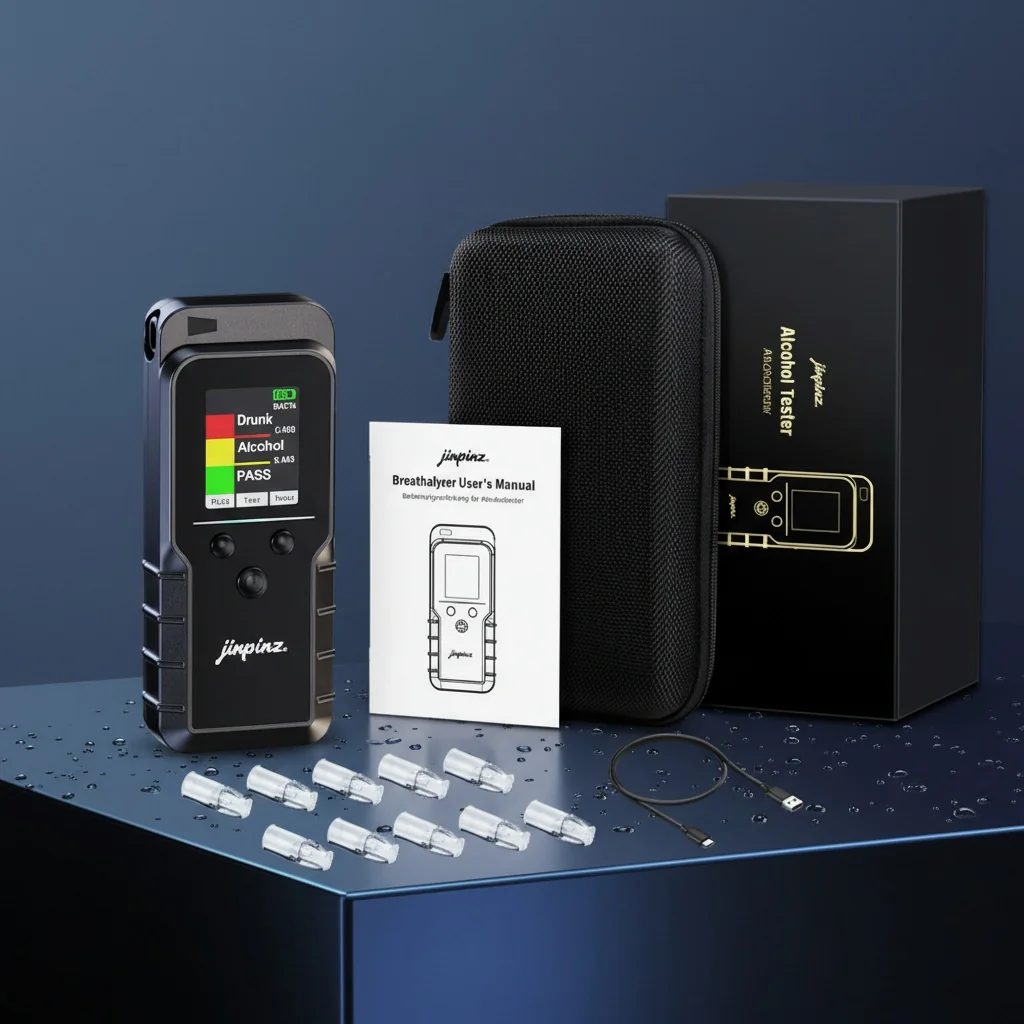
The JINPINZ Breathalyser Kit at £285.61 comes with clear calibration guidance. Even the best electrochemical sensor needs checking annually. Mark it in your calendar.
So what's the catch? Well, actually, there isn't really one — it's just about building good habits. The 20-minute wait is the hardest part for most people because they want instant results. But rushing it is exactly how you end up with a bad breathalyser test that tells you dangerous lies.
Choosing a Reliable Breathalyser in the UK
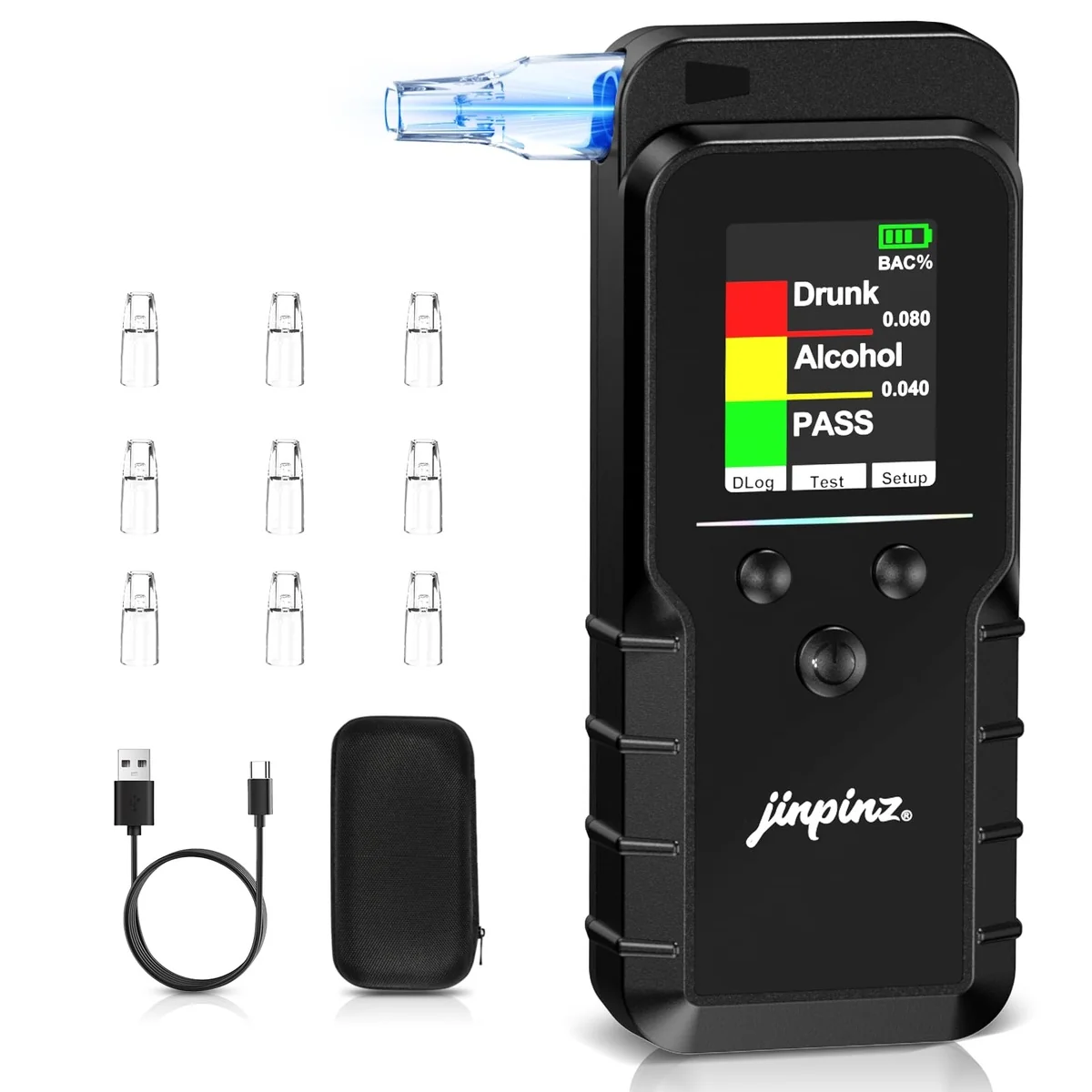
Not all breathalysers are created equal. Not even close. The market is flooded with cheap imports that look professional but use outdated sensor technology. Here's what to look for in 2026.
Must-Have Features
- Electrochemical fuel cell sensor — the only type accurate enough to trust
- Individual mouthpieces — for hygiene and consistent airflow
- Clear digital display — showing results to at least 2 decimal places
- Auto-shutoff — to preserve battery and sensor life
- CE/UKCA marking — confirming compliance with BSI standards
The JINPINZ Breathalyser Kit
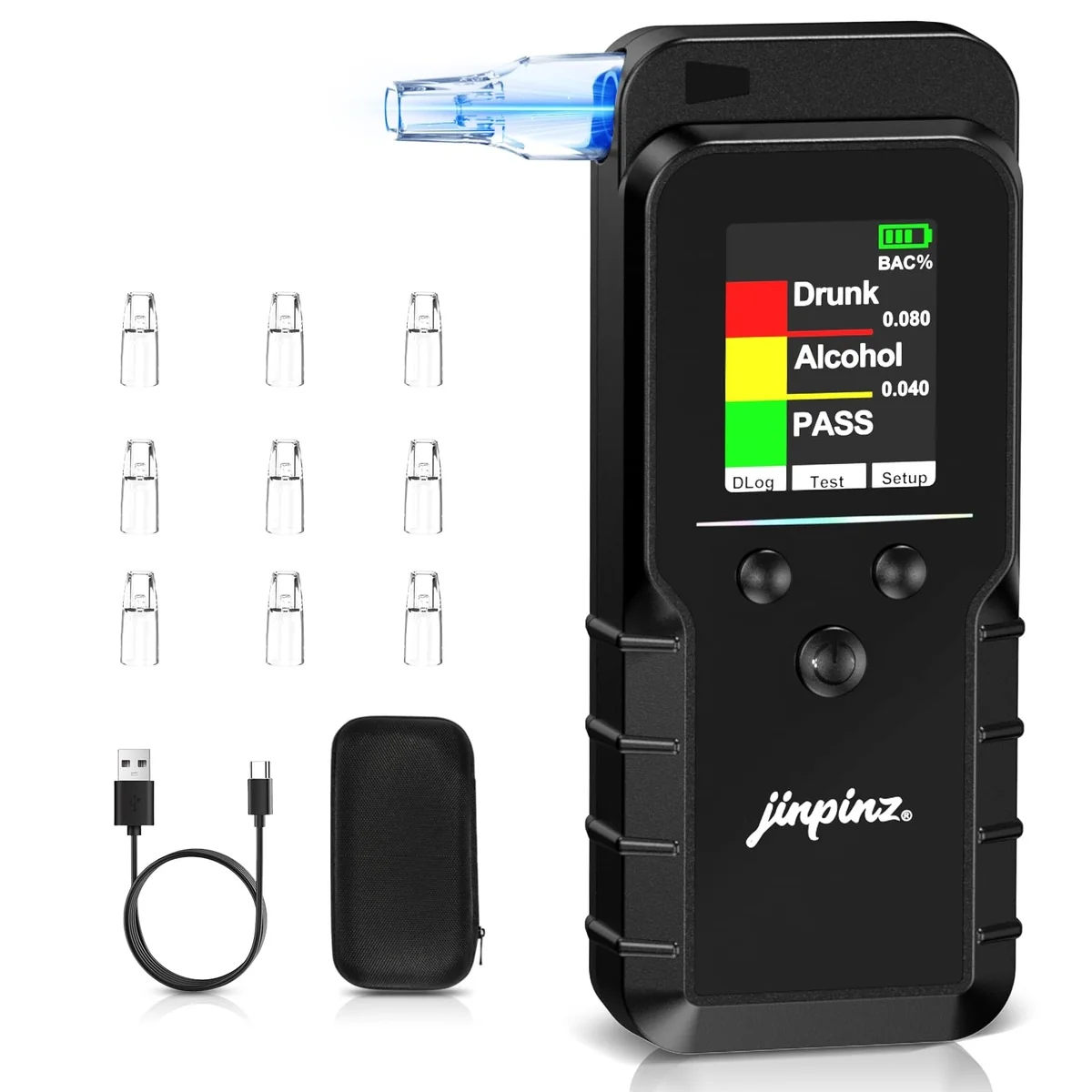
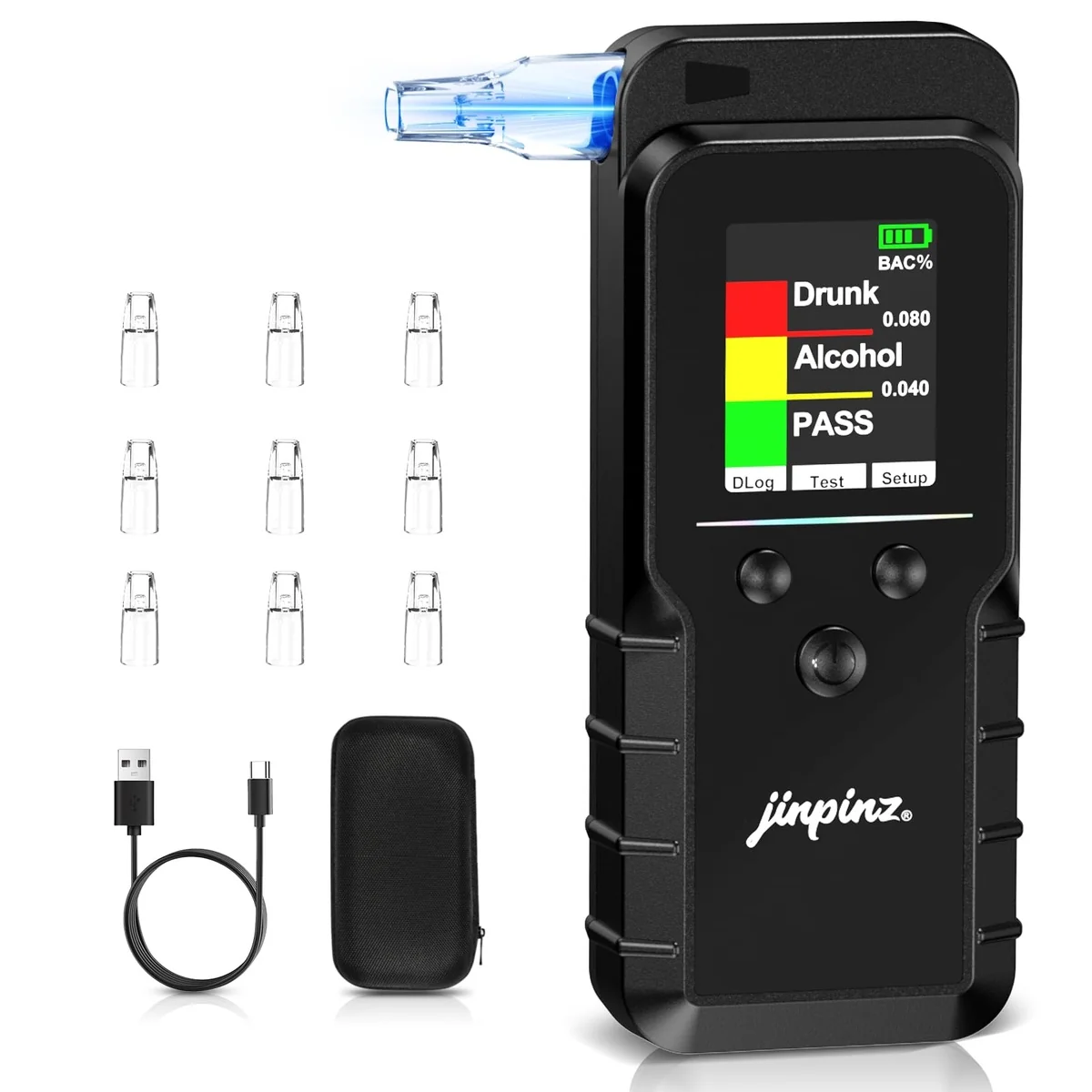
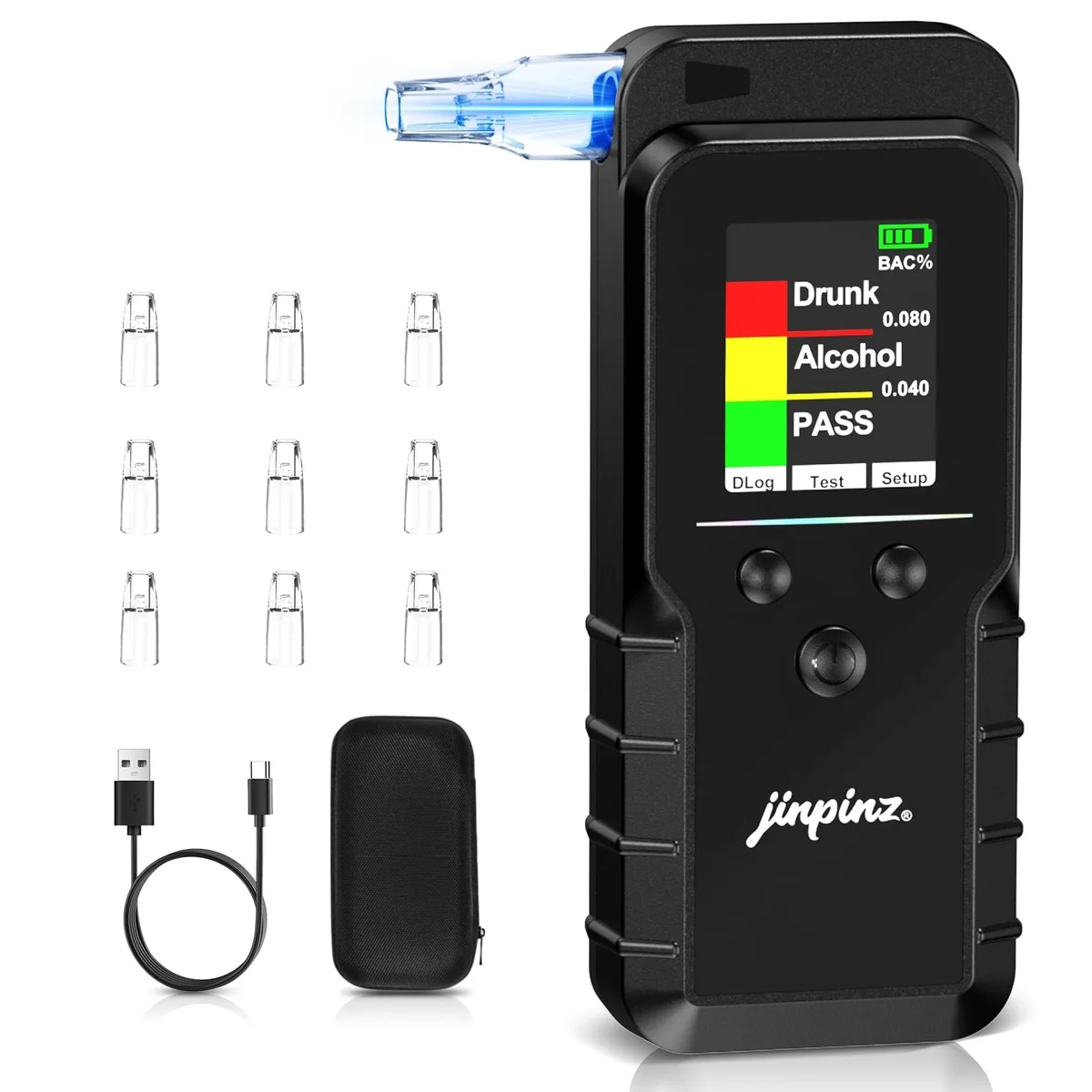
At £285.61 with free UK delivery, the JINPINZ breathalyser kit hits a sensible sweet spot. It uses an electrochemical fuel-cell sensor — the same sensor class as police-grade equipment — is made in the UK and comes in eco-friendly packaging. It is accurate, repeatable and doesn't cost the earth, which is why it is rated 4.8 out of 5 across 200 UK reviews.
For anyone worried about the morning after — and honestly, that's when most people need a breathalyser — the morning after alcohol tester guide on the Jinpinz site is gert tidy for understanding how long alcohol actually stays in your system.
Morning After: When Bad Breathalyser Test Results Are Most Dangerous
Here's the thing most people don't realise. The morning after is when inaccurate breath test results cause the most real-world harm. You feel fine. You've slept. You've had coffee. But alcohol metabolises at roughly 0.15‰ BAC per hour — and that's an average. Some people process it slower.
If you had 4 pints finishing at midnight, you might still be over the limit at 8am. That's not scaremongering — it's basic maths. Each pint of 4% beer adds roughly 0.20-0.25‰ to your BAC. Four pints = approximately 0.80-1.00‰. At 0.15‰ per hour elimination, that's 5-7 hours to clear completely.
A bad breathalyser test at 7am that reads 0.00‰ when you're actually at 0.15‰ could land you a drink driving conviction, a minimum 12-month driving ban, and up to £2,500 in fines. If you're applying for a driving licence in the UK after a ban, you'll face higher insurance premiums for years.
This is where sensor quality really matters. Cheap semiconductor devices are least accurate at low concentrations — exactly the range you're dealing with the morning after. They might read zero when you're actually just under or just over the limit. An electrochemical sensor gives you reliable readings even at these critical low levels.
Digital Driving Licence and Drink Driving Records
With the UK digital driving licence app launch expected to roll out more widely through 2026, your driving record — including any drink driving endorsements — will be more accessible than ever. The gov.co.uk check driving licence service already shows endorsements, and the digital driving licence UK system will make this information even more portable. A DR10 endorsement (drink driving) stays visible for 11 years. That's a long time for one bad morning decision.
Frequently Asked Questions
Can mouthwash cause a bad breathalyser test result?
Yes, absolutely. Many mouthwashes contain 18-26% alcohol, which can produce breath readings of 0.50‰ BAC or higher for up to 15-20 minutes after use. Always wait at least 20 minutes after using any oral product before testing. This is the single most common cause of false positive readings on personal breathalysers.
How often should I calibrate my breathalyser?
Electrochemical breathalysers should be calibrated every 6-12 months or after approximately 200-300 uses, whichever comes first. Semiconductor devices need calibration every 3-6 months. The JINPINZ Breathalyser Kit at £285.61 uses an electrochemical sensor that maintains accuracy for 12+ months between calibrations under normal use conditions.
What is the drink drive limit in Scotland compared to England?
Scotland's drink drive limit is 22 µg per 100ml of breath, significantly lower than England and Wales at 35 µg per 100ml. This means approximately one pint of standard-strength beer could put you over the Scottish limit. The blood alcohol limit in Scotland is 50mg per 100ml versus 80mg in England and Wales.
Can I challenge a police breathalyser reading?
You can request a blood or urine test at the police station if you believe the roadside breath test was inaccurate. The evidential breath test at the station uses calibrated, type-approved equipment. If the station reading is between 40-50 µg (England/Wales), you have the statutory right to request a blood sample instead. Legal advice is essential in these situations.
How long after drinking should I wait before using a breathalyser?
Wait at least 20 minutes after your last alcoholic drink before testing. This allows residual mouth alcohol to dissipate. For accurate BAC readings reflecting your actual intoxication level, wait 30-45 minutes after finishing your last drink. Your body absorbs alcohol at different rates depending on food intake, weight, and metabolism — testing too early gives unreliable results.
Are personal breathalysers accurate enough to rely on?
Electrochemical personal breathalysers are accurate to within ±0.05‰ BAC when properly maintained and used correctly — that's reliable enough for personal decision-making. Semiconductor models with ±0.20‰ accuracy are not. No personal device is "evidential" in court, but a quality electrochemical unit like the JINPINZ kit (£285.61) gives you a trustworthy indication of whether you're safe to drive.
Key Takeaways
- A bad breathalyser test can result from cheap sensor technology, poor calibration, residual mouth alcohol, or incorrect testing technique — any of these factors can produce readings that are dangerously wrong in either direction.
- Electrochemical sensors are accurate to ±0.05‰ BAC while semiconductor sensors drift to ±0.20‰ or worse within months — always choose electrochemical for reliable results.
- Scotland's drink drive limit is 22 µg breath alcohol versus 35 µg in England and Wales — know which limit applies to your journey.
- Always wait 20+ minutes after eating, drinking, or using mouthwash before testing to avoid false positive readings from residual mouth alcohol.
- The JINPINZ Breathalyser Kit at £285.61 uses police-grade electrochemical sensor technology with free UK delivery and eco-friendly packaging.
- Morning-after testing is when accuracy matters most — your body eliminates alcohol at approximately 0.15‰ per hour, meaning 4 pints at midnight could leave you over the limit until 7-8am.
- Test twice, 2-3 minutes apart — if readings differ by more than 0.05‰, wait 5 minutes and test again for confidence in your result.
Avoid bad readings with an electrochemical sensor
The JINPINZ Pro Breathalyser uses fuel-cell technology for reliable BAC readings. Free UK delivery and 30-day returns.
View JINPINZ Pro Breathalyser — £285.61